
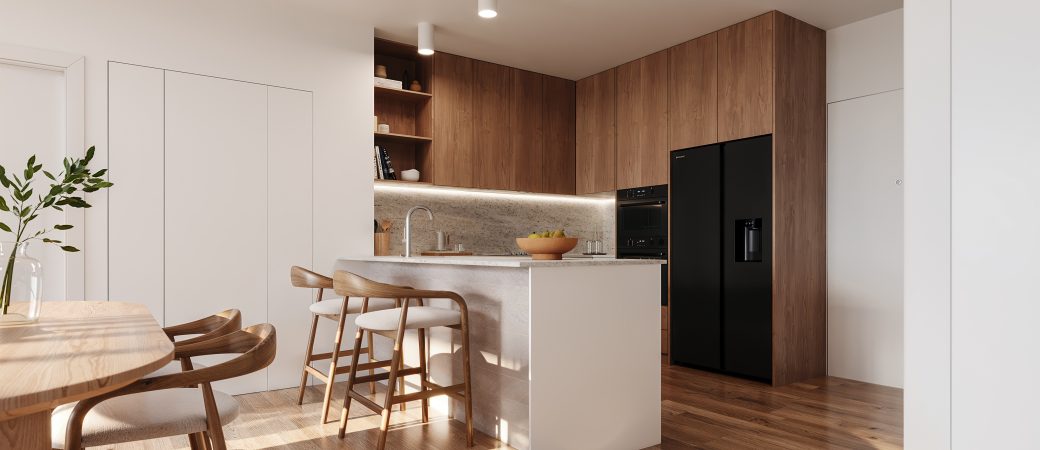
There comes a point for many people when the family home starts to feel a little too big, a little too demanding, and a lot harder to keep on top of. Maybe it’s the spare rooms that sit unused, the weekend spent on lawns and gutters, or the quiet feeling that the home you once filled with family no longer fits the life you want now. That is often when the idea of a smaller, easier place to live starts to feel less like a compromise and more like common sense.
For many Australians, especially those looking at coastal retirement living, the decision is not only about square metres. It is about comfort, independence, security, and what daily life might look like after the sale. If you are thinking about moving into a retirement community, it helps to slow the process down and look at the practical and emotional side together. Downsizing for retirement: a decision like this can be straightforward for some families, but for others it needs careful planning, honest conversations, and time to sort through years of belongings and memories.
Before talking about agents, valuations, or moving boxes, it is worth asking a simple question: what do you want your next home to give you? For some, the answer is less maintenance. For others, it is a more walkable location, access to cafés and shops, or the reassurance of living in a secure environment with like-minded neighbours nearby.
When you think this way, downsizing for retirement: becomes less about giving things up and more about making room for the lifestyle you actually want. A good move should support your routines, your privacy, and your independence, not complicate them. If you enjoy morning walks, quiet reading time, a swim, or having family visit without worrying about house upkeep, those things should sit at the centre of your decision.
It can help to picture a normal weekday rather than a holiday. Where would you have breakfast? Would you still want a garden to manage? Would you like a short walk to the shops, or do you prefer a peaceful apartment with shared spaces close by when you want them? These are the sorts of day-to-day details that often matter more than the number of rooms on a floor plan.
Some people find it useful to rank their priorities before they start inspecting homes. For example, you might list privacy, lift access, visitor parking, proximity to medical services, and outdoor space in order of importance. That simple exercise can quickly show whether a property is truly a fit or only looks appealing on paper. It also makes it easier to compare options without getting distracted by features you may never use.
Selling the family home is often treated as the starting point, but the real picture includes several layers. There is the sale price, of course, but also moving costs, legal fees, stamp duty in some cases, and the ongoing costs of where you choose to live next.
If you are comparing options, it helps to look at:
It also helps to think beyond the first month. A home that once seemed affordable can become expensive when gardens need care, air conditioning runs more often, or small repairs start appearing regularly. For many people, the appeal of independent living is that more of those responsibilities are reduced or shared, which can make budgeting feel clearer and life feel lighter.
One practical step is to compare the annual cost of staying in your current home with the annual cost of your next move. Include council rates, insurance, cleaning, garden care, pest control, hot water repairs, and the little jobs that always seem to arrive at the wrong time. That comparison can be eye-opening. It is not just about what you pay, but also about what you stop having to manage.
It can also help to ask how the home will function in three to five years, not just next month. Will the stairs still be manageable? Will you still want to spend weekends pruning hedges or dealing with maintenance appointments? Many people begin to see that the real cost of staying put is not only financial. It is also the time and energy that disappear into keeping a large house running.
For people researching retirement living in Tweed Heads, it is worth understanding how a move into an independent living community may compare with maintaining a house, especially if repairs, rates, insurance, gardening, and upkeep have started to add up over time.
One of the biggest decisions is whether you really want to keep managing a large property. Many people do not mind the home itself; they mind the work that comes with it. A bigger home can bring larger bills, more chores, and more responsibility than it once did.
A well-designed retirement community can offer a different kind of day-to-day life. Instead of spending time on maintenance, you may have more time for family, exercise, hobbies, or simply enjoying a slower pace. In the Tweed Heads area, that can mean being close to the beach, the river, cafés, medical services, and local clubs, all without the pressure of looking after a house that no longer suits your needs.
It can also mean having a home that feels easier to manage when you travel, visit children, or head away for a few weeks. Security, lock-up-and-leave convenience, and low-maintenance living are often just as valuable as size. For people who still enjoy entertaining, the right apartment can provide enough room for visitors while removing the burden of mowing, pruning, and keeping every corner of the home in order.
That is one reason many people begin researching retirement apartments before they are under pressure to move. It gives you time to compare lifestyle, location, and long-term comfort rather than making a rushed decision. Some buyers are surprised to find that a well-planned apartment feels more spacious than expected because the layout is purposeful, the storage is thoughtful, and every area earns its keep.
In practical terms, that can mean more time spent enjoying your day and less time managing it. Whether it is a swim, a coffee with a neighbour, or a quiet afternoon on the balcony, a smaller home can open the door to a fuller routine. That is often the real appeal of downsizing for retirement: a simpler home that supports a richer daily rhythm.
One of the hardest parts of downsizing is not the move itself, but deciding what comes with you. A large home can quietly collect years of furniture, keepsakes, books, tools, and “just in case” items. Before selling, it helps to walk through each room and ask what is actually used.
A few useful downsizing tips over 55s often rely on are:
It can help to make three simple piles: keep, pass on, and let go. That approach takes some of the emotion out of the process and makes progress easier to see. Many people also find it useful to begin with the least sentimental rooms first, such as linen cupboards, storage areas, or the garage, before moving on to family photographs and heirlooms.
Another useful approach is to think in categories rather than rooms. Ask yourself how many dinner sets you actually need, whether you still use all those kitchen appliances, and how often the spare furniture gets moved around. You may discover that some things have been kept out of habit rather than need. That can make the final decision feel clearer and less overwhelming.
Luxury over 55s apartments are often designed with this in mind, offering practical layouts, private balconies, and thoughtful storage without feeling cramped. If you are exploring over 55s living in Tweed Heads, it is worth looking closely at how the floor plan supports both everyday living and occasional guests.
It is also sensible to think about what you want to keep within easy reach. A favourite set of books, a comfortable chair, holiday photos, or a small collection of artwork may mean more than bulky furniture. When people make room for the items that genuinely matter, the move often feels more personal and less like a loss.
This is a common point of confusion, especially for adult children helping parents make decisions. Retirement living is for independent older adults who want a low-maintenance lifestyle with community, security, and convenience. Aged care, by contrast, is designed for people who need regular personal care, nursing support, or supervision.
That difference matters. If you are still active, managing your own day-to-day life, and simply want a better way to live, retirement apartments may be a more suitable fit. You keep your independence, but you gain a setting that is easier to manage and more enjoyable to live in. For many households, that distinction brings real peace of mind because it helps everyone focus on the right type of support for the right stage of life.
It can also make future planning less stressful. When the choice is between keeping a large home that no longer feels practical and moving into a place that supports your current lifestyle, the right option often becomes easier to see. For a clearer explanation, you may also want to read retirement living vs aged care, which breaks down the differences in a simple, practical way.
Once you begin comparing communities, it helps to have a checklist. The right place should feel comfortable not only on the brochure, but in real life.
Useful questions include:
It is also worth asking about everyday practicalities that are easy to overlook, such as visitor parking, lift access, storage for seasonal items, and whether the community encourages social connection without forcing it. These details can make the difference between a place that simply looks good and one that genuinely suits your life.
For example, if you enjoy having grandchildren visit, it helps to know whether there is enough space for overnight stays and whether the surroundings feel easy for family to navigate. If you like a quiet routine, you may value a library, a café, or a garden space more than larger event areas. The best decision usually comes down to how well the community fits the rhythm of your days.
These are the kinds of practical details that help you choose well. If you are still in the early stages, it may also help to read what to ask a retirement living community so you can compare options with confidence.
Selling the family home can stir up a surprising amount of emotion. Even when the decision makes perfect sense, it can still feel like a major milestone. That is normal. Many people find it helps to focus on what the move makes possible rather than what it leaves behind.
For some, that means less housework and more freedom. For others, it is the comfort of knowing they are in a secure, well-kept setting with a community nearby. It can also mean being closer to beaches, cafés, and medical care, while still enjoying the quiet and privacy of your own apartment.
Families often feel the change too. Adult children may feel relieved to see a parent move into a lower-maintenance home, but also nostalgic about the family property. Talking openly about the reasons for the move can help everyone understand that the goal is not to erase memories. It is to create a home that suits the life ahead.
It can be helpful to keep one or two familiar pieces in your new place, such as a favourite chair, a painting, or the dining table where everyone has always gathered. Those items can make a smaller home feel instantly familiar, without bringing the burden of a much larger house along with them.
Some families also like to create a simple plan for the transition. That might include a first visit to the new community, a list of key documents, and a timeline for sorting belongings. Having structure reduces stress and gives everyone a clearer sense of what happens next. When the process is broken into steps, it tends to feel more manageable and less emotional.
Downsizing works best when it is treated as a process, not a single event. Start early, take advice where needed, and allow time to sort, sell, donate, and plan. If you can, visit a few communities before making a final decision. Seeing the spaces in person often makes the whole picture clearer.
In Tweed Heads, Serene Residences offers independent retirement living designed for people who want to downsize without compromising on quality, privacy, or lifestyle. With premium apartments, resort-style amenities, and a coastal location close to everyday conveniences, it is built for a more relaxed chapter of life.
If you are beginning to think seriously about your next move, book a tour or contact the Serene team to talk through your retirement living options. A good decision should feel calm, considered, and right for the life you want next.